

-
Faculty of Arts and HumanitiesJakobi 2, r 116-121, 51005 Tartu linn, Tartu linn, TartumaaJakobi 2, 51005 Tartu linn, Tartu linn, TartumaaJakobi 2, IV korrus, 51005 Tartu linn, Tartu linn, TartumaaJakobi 2, III korrus, ruumid 302-337, 51005 Tartu linn, Tartu linn, TartumaaÜlikooli 16, 51003 Tartu linn, Tartu linn, TartumaaÜlikooli 18, 50090 Tartu linn, Tartu linn, TartumaaLossi 3, 51003 Tartu linn, Tartu linn, TartumaaPosti 1, 71004 Viljandi linn, ViljandimaaJakobi 2, 51005 Tartu linn, Tartu linn, TartumaaJakobi 2, 51005 Tartu linn, Tartu linn, TartumaaFaculty of Social SciencesLossi 36, 51003 Tartu linn, Tartu linn, TartumaaJakobi 5, 51005 Tartu linn, Tartu linn, TartumaaLossi 36, ruum 301, 51003 Tartu linn, Tartu linn, TartumaaNarva mnt 18, 51009 Tartu linn, Tartu linn, TartumaaNäituse 2, 50409 Tartu linn, Tartu linn, TartumaaNäituse 20 - 118, 50409 Tartu linn, Tartu linn, TartumaaLossi 36, 51003 Tartu linn, Tartu linn, TartumaaRaekoja plats 2, 20307 Narva linn, Ida-VirumaaLossi 36, 51003 Tartu linn, Tartu linn, TartumaaLossi 36, 51003 Tartu linn, Tartu linn, TartumaaFaculty of MedicineRavila 19, 50411 Tartu linn, Tartu linn, TartumaaBiomeedikum, Ravila 19, 50411 Tartu linn, Tartu linn, TartumaaNooruse 1, 50411 Tartu linn, Tartu linn, TartumaaL. Puusepa 1a, 50406 Tartu linn, Tartu linn, TartumaaL. Puusepa 8, 50406 Tartu linn, Tartu linn, TartumaaRavila 19, 50411 Tartu linn, Tartu linn, TartumaaUjula 4, 51008 Tartu linn, Tartu linn, TartumaaRavila, 50411 Tartu linn, Tartu linn, TartumaaRavila 19, 50411 Tartu linn, Tartu linn, TartumaaFaculty of Science and TechnologyVanemuise 46 - 208, 51003 Tartu linn, Tartu linn, TartumaaNarva mnt 18, 51009 Tartu linn, Tartu linn, TartumaaRavila 14a, 50411 Tartu linn, Tartu linn, TartumaaNarva mnt 18, 51009 Tartu linn, Tartu linn, TartumaaRiia 23, 23b - 134, 51010 Tartu linn, Tartu linn, TartumaaNooruse 1, 50411 Tartu linn, Tartu linn, TartumaaJ. Liivi tn 2, 50409 Tartu linn, Tartu linn, TartumaaRiia 23b/2, 51010 Tartu linn, Tartu linn, TartumaaVanemuise 46, 51003 Tartu linn, Tartu linn, TartumaaVanemuise 46, 51003 Tartu linn, Tartu linn, TartumaaArea of RectorArea of Vice Rector for Academic AffairsUppsala 10, 51003 Tartu linn, Tartu linn, TartumaaÜlikooli 18b, 51005 Tartu linn, Tartu linn, TartumaaÜlikooli 18a (III korrus), 51005 Tartu linn, Tartu linn, TartumaaArea of Vice Rector for ResearchW. Struve 1, 50091 Tartu linn, Tartu linn, TartumaaArea of Director of AdministrationÜlikooli 18, ruumid 102, 104, 209, 210, 50090 Tartu linn, Tartu linn, TartumaaÜlikooli 18A (III korrus), 51005 Tartu linn, Tartu linn, TartumaaArea of Head of FinanceÜlikooli 17, 51005 Tartu linn, Tartu linn, TartumaaArea of Vice Rector for DevelopmentLossi 25, 51003 Tartu linn, Tartu linn, TartumaaVanemuise 46, 51003 Tartu linn, Tartu linn, TartumaaNarva mnt 18, 51009 Tartu linn, Tartu linn, TartumaaArea of Academic SecretaryUppsala 6, Lossi 36, 51003 Tartu linn, Tartu linn, Tartumaa
On Wednesday, 14 October, from 20.00 to 23:00, the university website will be undergoing maintenance. You may experience disruptions to the site during this time. We apologise for any inconvenience.
Topic: entrepreneurship

Registration for the elective course “Deep Tech Entrepreneurship” runs until September 20
In the autumn semester of 2026, students can take part in the updated and popular elective course “Deep Tech Entrepreneurship” (2 ECTS), led by Tõnu Esko, Vice Rector for Development at the University of Tartu.
10 June 2026
entrepreneurship

Take the TEDx stage - Speaker application is open!
Speaker application is open until April 1 for TEDxUniversity of Tartu.

AI helps detect kidney cancer faster
Researchers at the University of Tartu Institute of Computer Science, Junior Research Fellow of Artificial Intelligence Joonas Ariva and Associate Professor in Artificial Intelligence Dmytro Fishman, together with radiologists from Tartu University Hospital and engineers at Better Medicine, have developed an AI-based tool that accelerates the detection of kidney cancer. Its effectiveness was validated in a study published in Nature Communications Medicine.

Watch the recording: University of Tartu development conference “A university for us, Estonia and the world”
On 27 October from 13–18, the University of Tartu development conference “A university for us, Estonia and the world” took place in the university assembly hall and online. Keynote speakers were Toomas Hendrik Ilves, Kersti Kaljulaid and Kristina Kallas.

As last year, University of Tartu supports nine scientific discoveries with business potential
The University of Tartu Feasibility Fund received a record number of 53 grant applications, nine of which will receive funding in the total amount of 315,000 euros.
31 March 2025
entrepreneurship
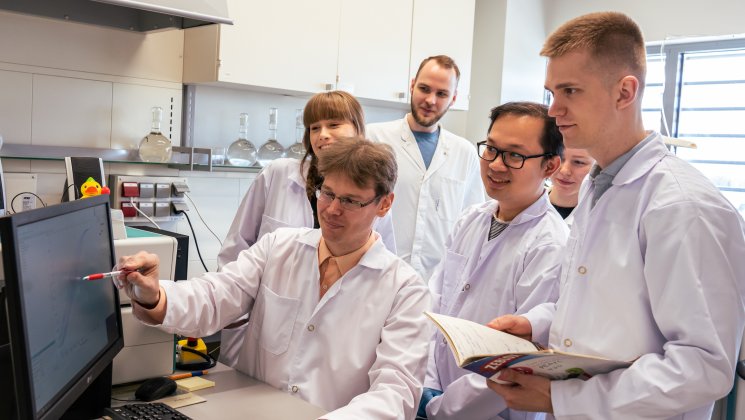
University of Tartu supports nine new ideas with business potential
Last year, applications were submitted for obtaining the University of Tartu experimental development grant for 35 research projects, nine of which will receive funding in the total amount of 315,000 euros.
21 February 2024
entrepreneurship
Doctoral students are invited to attend the course “Research based Entrepreneurship”
In the upcoming spring semester, for the first time, an elective course titled “Research based Entrepreneurship” will be offered specifically for doctoral students. The course aims to provide doctoral students with basic knowledge of entrepreneurship. Doctoral students from all programmes are welcome, regardless of whether they have a specific idea to focus on for business development during the course or not.
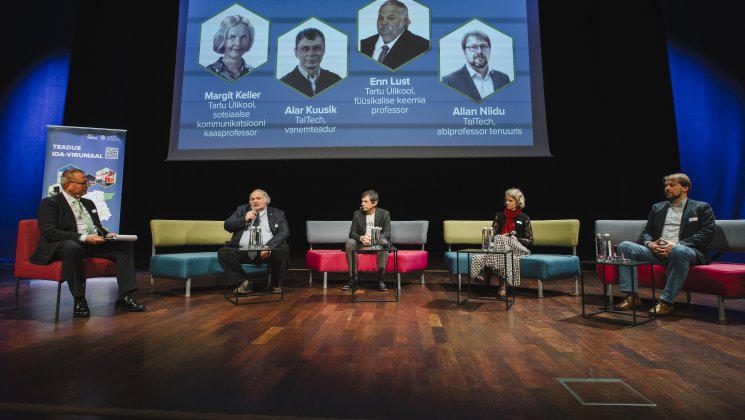
Science-business cooperation is expected to support Ida-Viru County’s transition to a more sustainable economic model
The Fair Transition Fund’s consortium of Tallinn University of Technology and the University of Tartu will implement 22 research projects in Ida-Viru County over the next six years to support socioeconomic change in the region and meet the development needs of companies.

The Just Transition Consortium supports both technological and societal transition in Ida-Viru County
On 16 October, the first cooperation seminar of Tallinn University of Technology and the University of Tartu’s consortium of the Just Transition Fund was held at the Virumaa College of the Tallinn University of Technology. The event brought together 22 research teams whose work will help develop technologies and monitor societal transition in the Ida-Viru region over the next six years.
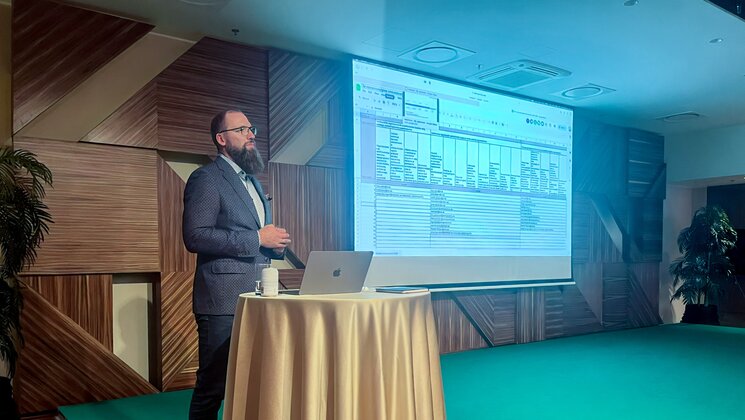
University of Tartu helps bring Estonia’s health technology sector to an international level
The University of Tartu, in cooperation with the Tallinn University of Technology, have developed a strategy and action plan for developing health technologies and services for 2023–2028. By the end of the decade, the strategy aims to have at least 200 research-intensive companies with international reach operating in this field in Estonia, helping prevent and treat diseases both in Estonia and worldwide.
